


Each time I assess an online casino, I ask the same question: does it offer true enjoyment with protections you can confirm? At wizebetscasino app voor iphone, the answer hinges on its licence and how clearly it manages affairs. Dutch players have plenty of choice, but what separates a solid brand from the rest is how it manages transactions, follows the rules, and assembles its game portfolio. I observe a platform that places local banking at the forefront, chooses a focused array of internationally acclaimed studios, and designs its site for clarity, not flash. In this overview, I’ll examine the essential details that count — account creation, cashout speed, game quality — so you can judge if it fits your real‑money gambling.
Welcome Deposit and Recurring Bonus Framework
The welcome offer works as a organized introduction, not a simple giveaway. Typically a percentage‑based match on the first deposit is combined with a set number of free spins on a specific slot title. The headline numbers might look familiar, but the real terms reside in the wagering requirements and game‑contribution weightings. I always recommend checking the official promotions page before depositing, because the specific percentage, cap and spin valuation vary seasonally.
- Read the full bonus terms on the specific promotions page before you deposit.
- Note that slots usually count 100% toward wagering, while roulette and blackjack often stand below 10%.
- Identify any restricted payment methods — Skrill and Neteller are commonly restricted — that void bonus eligibility.
- Track the time limit linked to clearing the bonus; exceeding it cancels the bonus and any winnings derived from it.
- Check whether free spins are credited all at once or in daily batches, because that changes how soon you can play them.
Beyond the welcome stage, I note a reload system and a cashback‑like mechanism that gives back a percentage of net losses over a defined cycle straight to your real‑money balance, often with small or no further wagering. This setup appeals to a Dutch audience that appreciates direct, measurable value over layered VIP tiers. I suggest adjusting your communication preferences to receive offer notifications, as some reload bonuses trigger only through opt‑in links sent by email or shown in the account dashboard.
Payment Operations and Mobile Functionality
Deposit Options and Cashout Schedules
Dutch payment customs focus on iDEAL, and Wizebets integrates it into deposit and payout systems alongside Visa, Mastercard, Skrill, Neteller and bank transfer. iDEAL deposits go through instantly through a secure redirect to your standard banking platform, using your standard two‑factor authentication. The transaction shows up under a neutral descriptor aligned with Dutch regulatory requirements. I view iDEAL’s presence a key indicator of local‑market commitment rather than a superficial localisation layer.
Cashout handling is divided into internal review, payment execution and banking clearance. The review phase generally lasts 24‑48 hours while compliance verifies wagering, documentation and bonus‑abuse flags. After approval, iDEAL and e‑wallet cashouts often complete within hours; credit card refunds and bank transfers require two to five business days because of correspondent banking networks. I strongly advise completing identity verification proactively right after your first deposit — a pending verification at withdrawal time can extend the timeline unnecessarily.
Thresholds follow Ksa responsible‑gambling guidelines, with stricter net‑loss thresholds for younger adults. The minimum deposit is set at a conventional €10 or €20, and withdrawal minimums mirror that. I advise checking for method‑specific fees: e‑wallet cashouts are generally free, while certain bank‑transfer tiers may incur a nominal administrative charge outlined in the payment terms. verken deze site
Mobile Experience and Cross‑Device Consistency
Rather than necessitating a native app, Wizebets provides full functionality through a progressive web app usable in iOS and Android browsers. I test the mobile interface over multi‑hour sessions, tracking loading latency, touch‑target accuracy and live‑stream stability. The responsive design restructures the lobby into a vertically scrollable feed, grouping categories into swipeable carousels that keep high‑resolution thumbnails without compression artefacts. This approach saves device storage and avoids update friction.
Live dealer streams require attention because encoding demands can cause stutter. In my tests, Evolution’s mobile‑optimised streams adjust resolution dynamically, sustaining at least 720p on screens as small as 5.5 inches. The bet‑placement overlay adjusts to touch by increasing chip denominations and distributing them along a horizontal tray, while blackjack decision buttons appear in a finger‑friendly grid that reduces mis‑taps — crucial in Speed Blackjack variants where every second counts.
Account management is not truncated on mobile. Payment portals display with full payment choices, progress tracking and document submission. I see this as a key consistency factor: a mobile version that obscures payment functions or requires a desktop change for verification disrupts the smooth experience Dutch players expect. The cashier adapts to screen width by stacking form fields in a column, and the iDEAL redirect remains secure, starting your banking app in a managed handoff that returns you to the casino once payment goes through.
Which Distinguishes the Daily Player Experience
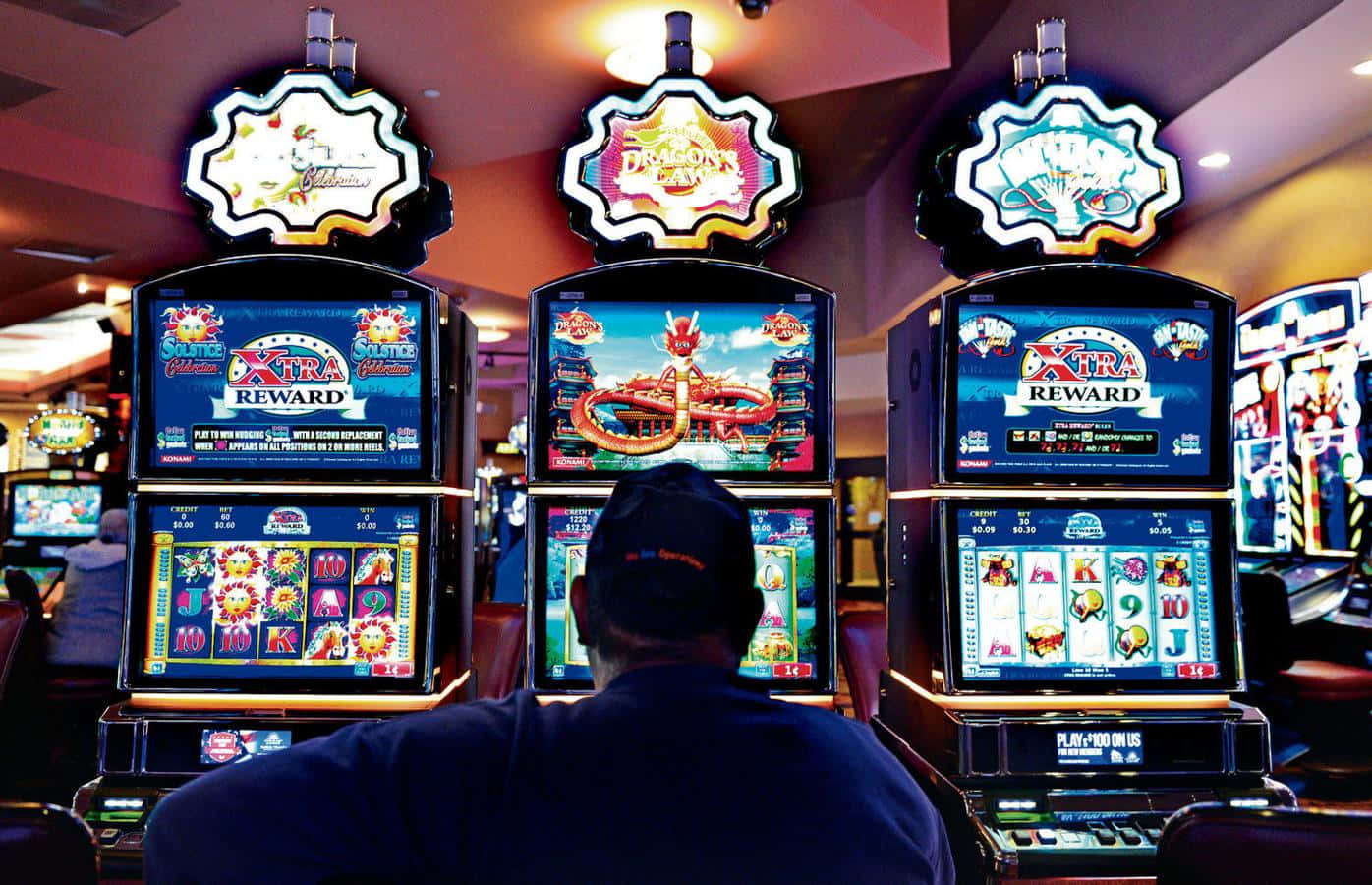
Underneath the feature lists, the daily experience revolves around interlocking design choices. The game search processes partial‑name matching in Dutch and English, and filter toggles offer provider, volatility and tags such as “Bonus Buy” or “Megaways,” turning browsing into targeted selection. Slot load times on a standard fibre connection stand around two to three seconds, and the live casino lobby shows availability in near real‑time without manual refresh, a detail that indicates smart data‑polling logic rather than a static snapshot.
Customer support integrates a chat interface with an expanding knowledge base. Live chat connects with a Dutch‑speaking agent during CET daytime and evening windows; first‑response times come in under a minute in my tests. Knowledge base articles on payments, bonus mechanics and verification contain step‑by‑step visuals that lessen the need to open a ticket. When a query surpasses chat scope, an email ticketing system assigns a reference number and routes the issue to a specialist team, typically returning a substantive reply within 24 hours.
What grounds the experience, in my view, is the absence of predatory obstacles. Withdrawal requests are not bait for reversible‑withdrawal features that encourage you to cancel and replay. Game RTP values are visible inside each title’s information tab, empowering informed selection. The promotions page separates wagering requirements and contribution tables into a dedicated terms section, eliminating barely‑legible footnotes. When a platform makes its mechanical realities visible and its player protections actionable rather than decorative, the gap between marketing language and operational fact shrinks considerably. For a Dutch audience skeptical of international operators with unclear legal standing, that alignment is the practical definition of secure real‑money gaming.
Game Collection Makeup and Developer Excellence
The library’s advantage lies in its main developers. At Wizebets I come across NetEnt, Pragmatic Play, Play’n GO and Evolution, each contributing a distinct category strength. NetEnt supplies classic video slots with verified RNG systems; titles like Starburst appear, but I also notice cluster‑pays mechanics and high‑volatility options designed for players who prefer disciplined bankroll control. Play’n GO contributes the Book of Dead lineage, while Pragmatic Play delivers constant game launches and drop‑and‑win prizes that add connected jackpot pools.
Slot Types and Volatility Spectrum
I map the slot library across a risk scale because this factor determines gameplay pace more than any topic. Low‑volatility games return regular but modest line wins — helpful for maintaining a bankroll during gambling. High‑volatility selections, including Dead or Alive 2 or the cluster‑pay Chaos Crew, create long losing streaks interrupted by infrequent high payouts. I recommend studying the paytable and trying the demo mode Wizebets offers to logged‑in players before dedicating playing funds to an new slot.
Megaways and Mechanic‑Heavy Slots
Big Time Gaming’s Megaways system is featured in several licensed adaptations, adding changing reel systems that modify reel positions per spin. These games operate with falling symbols and increasing free‑spin multipliers, plus feature‑buy features where regulation allows. I caution that feature‑buy raises per‑spin cost substantially, frequently 50×–100× the base bet, and needs to be treated with a firm mental distinction from regular play. The engine’s transparency is its appeal for analytical players: the RTP is constant, but the special mode is compressed into a single purchase decision, removing the waiting‑time variable.
Casino Table Options and RNG Integrity
The RNG‑driven table section offers blackjack versions, European roulette, baccarat and casino poker offshoots like Caribbean Stud. I track RNG accreditation back to bodies such as GLI or iTech Labs, whose marks show up in the footer or game information pages. Multi‑hand blackjack condenses betting sequences, while European roulette with a single zero holds a 2.70% house edge — statistically better to American double‑zero versions. Bet limits range from €0.10 micro‑stakes up to a mid‑stakes maximum, with the truly high‑limit band provided by the live casino.
Gambler Protection Tools and Responsible Gambling Suite
The safer‑gambling framework is a collection of programmable controls integrated within account settings. Deposit limits are configurable daily, weekly or monthly; any decrease takes effect immediately, while increase requests trigger a seven‑day cooling‑off period required by the Ksa. I test this because operators that allow instant limit increases undermine the tool’s purpose. A self‑assessment questionnaire generates a personalised risk profile that connects subjective self‑perception with objective usage data — session length and deposit frequency.
Reality checks show at intervals you specify, showing elapsed time, net session position and direct links to continue or exit. I find these most effective when paired with a visible running balance, as the juxtaposition of time and outcome often elicits a more rational stop decision than a simple warning. The platform also provides cool‑off periods from 24 hours to several weeks; during these, login is fully suspended and marketing communications cease. These shorter breaks are distinct from the permanent self‑exclusion pathway connected with Cruks, which operates nationally and blocks all licensed operators at once.
Behind the scenes, automated behaviour monitoring records erratic deposit spikes, chasing patterns and extended nocturnal session clusters. When markers exceed defined thresholds, intervention can range from a mandatory responsible‑gambling message to account restriction pending a conversation with a trained safer‑play advisor. I view this algorithmic layer as the safety net that catches what self‑imposed limits might miss, especially when judgement is obscured by loss‑chasing momentum.
Live Casino Environment and Actual Dealer Dynamics
Evolution dominates the live‑dealer ecosystem, a reliable indicator of production quality. Streams emanate from purpose‑built studios in Latvia and the Netherlands, with native Dutch‑speaking dealers at dedicated tables during peak CET hours. This language alignment removes the friction of hearing rule explanations in English while a Dutch chat interface runs alongside. The line‑up extends from standard roulette and blackjack to game‑show hybrids like Crazy Time and Monopoly Live, which blend physical wheel mechanics with augmented‑reality multipliers.
I analyse rule variations closely. Infinite Blackjack shares starting hands but allows individual second‑card decisions, enabling unlimited seat capacity. Speed Roulette compresses the betting window to about 12 seconds, suiting players who prioritise pure frequency. Side‑bet cashback rules — such as perfect pairs and 21+3 in blackjack — carry RTP that differ from the main hand and deserve separate attention. The lobby presents real‑time table occupancy and recent multiplier history for game‑show products, allowing strategy‑informed entry rather than blind participation.
Betting limits cover a broader spread than RNG tables. Entry‑level seats start at €0.50 or €1 on standard roulette and blackjack, while high‑roller Salon Privé environments push the ceiling substantially higher. These premium tables feature tailored dealer interactions and accelerated settlement. For a Dutch audience used to transparent pricing, clarity of limits shown in the lobby avoids the awkward moment of realising a table exceeds your bankroll after mental commitment.
Licence and Legal Basis for Netherlands Players
A casino’s regulatory standing in the Dutch market is the primary safeguard that separates regulated gaming from shadowy operators. Wizebets holds a licence from the Kansspelautoriteit (Ksa), which imposes required deposit limits, reality‑check tools, and connection to the Centraal Register Uitsluiting Kansspelen (Cruks) self‑exclusion system. I regard Cruks integration as essential; its existence shows you player welfare is embedded into the framework, not bolted on afterwards.
The Ksa licence also governs how funds are handled. Wizebets must isolate customer balances from operational capital in a separate player funds account. That structural separation secures your deposited money even if the company encounters financial trouble — a real protection that regulators apply. The licence also mandates transparent dispute‑resolution pathways, so you have recourse through the Ksa if a withdrawal or account issue remains unresolved at operator level.
Data‑security duties come directly from the licence. The site implements TLS encryption on all sessions, encrypting personal and financial data in transit. Identity verification, demanded by anti‑money laundering rules, is integrated into the account lifecycle. You’ll be asked to upload proof of identity, address and payment ownership through a secure portal. Some players see this as inconvenience; I regard it as a fundamental assurance that nobody else can access your balance or impersonate you.